Reality Tv
'The Traitors: New Blood' EPs Explain Civilian Season's Tonal Shift and That Twisty Selection
The first time the camera swept across the stone‑lined corridors of Alan Castle, a hush fell over the audience.
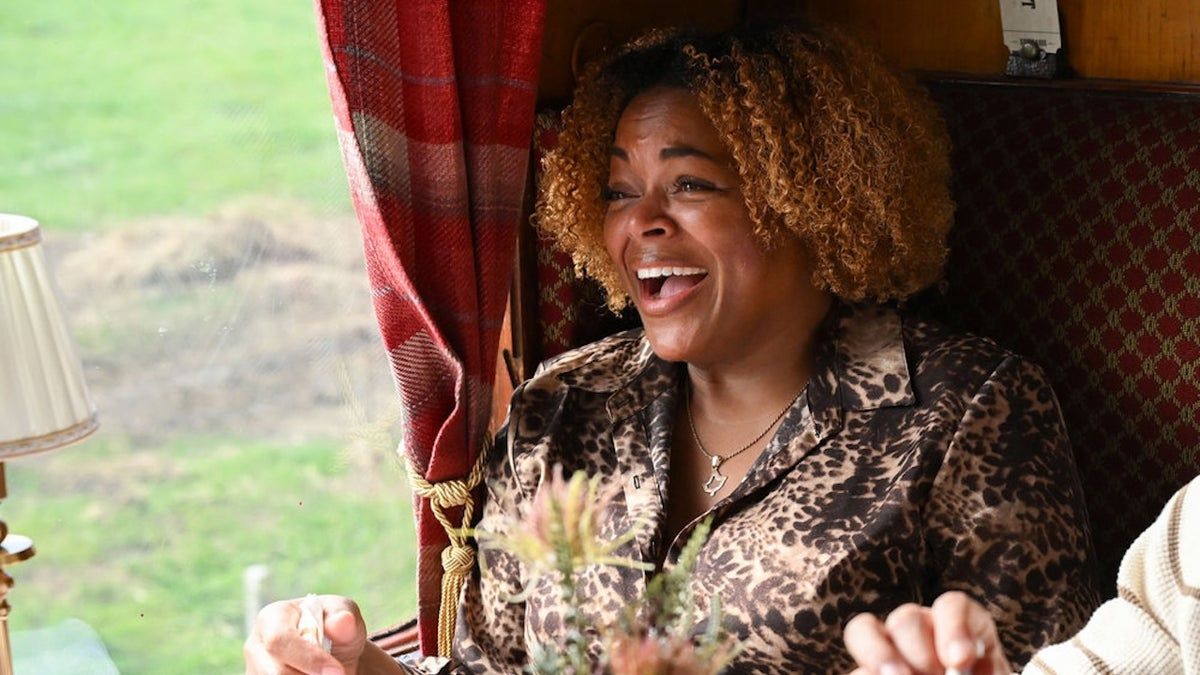
The first time the camera swept across the stone‑lined corridors of Alan Castle, a hush fell over the audience. Inside, a new set of facesnone of them the familiar celebrity stars that had once populated the showmurmured nervously as the train rattled into the Scottish Highlands. The air smelled of damp moss and old timber, a scent that would soon become the backdrop for a season of betrayal that felt both fresh and eerily familiar.
When NBC announced that “The Traitors” would move from Peacock to a 8 p.m. Primetime slot, the buzz was immediate. Executive producer Sam Rees‑Jones explained that the change would bring a “nuanced tonal shift.” The show would no longer rely on the star power that had drawn viewers to the Emmy‑winning Peacock version. Instead, it would feature everyday people, a civilian cast that could be watched by families across generations. The idea was simple: make the drama relatable, so that a child could sit beside a grandparent and feel the same thrill of suspicion.
The castle itself, owned and operated by the fictional Alan, is more than a backdrop; it is a character. Rosie Franks emphasized that the groundskeepers and staff are part of the world, not just extras. “It’s a functioning castle that Alan owns and runs,” she said, hinting at the logistics that keep the show running smoothly. The producers even brought in Harry Potter alumni Oliver and James Phelps, the Weasley brothers, for a cameo in the premiere. Their presence felt like a secret nod to a younger audience, a subtle Easter egg that bridged two worlds of fantasy and reality.
The decision to cast ordinary people came directly from NBC, according to Sam Rees‑Jones. He noted that the network wanted a version that viewers could “imagine themselves in,” turning the game into a personal experience. “When you watch it, you imagine yourself in there playing it, right?” Rosie Franks added. The civilian cast brings a new layer of unpredictability; no one knows the backstories, the hidden motives, or the alliances that will form. The game remains the samebetrayal, deduction, and survivalbut the players are now strangers who learn about each other as the season unfolds.
The show’s new tone is not just about the cast; it’s about the viewers. By placing the series in a primetime slot, NBC invites families to gather around the TV. The familiar setting of a castle, coupled with the universal theme of trust, creates a shared experience that can be discussed over dinner or in the living room. This communal viewing is a deliberate move away from the more niche, late‑night audience that the original version attracted.
While the public faces of the show are the contestants, the real work happens behind the camera. Sam Rees‑Jones joked that the producers were “too busy keeping the castle for us to ask that question” about future appearances for the Phelps brothers. This light‑hearted remark underscores the logistical challenges of filming in a historic location while maintaining the show’s suspenseful atmosphere. The shorter, broadcast‑ready episodes mean cliffhangers are placed at different points, keeping viewers on their toes and ensuring that the drama remains tight and engaging.
Watching the first episode, I felt a sense of anticipation that stretched beyond the screen. The blend of familiar tropesmurder, betrayal, a grand castlewith fresh faces and a family‑friendly tone feels like a bold step for reality competition. It suggests that the genre can evolve without losing its core appeal. If the civilian season delivers on its promise, it could set a new standard for how reality shows balance entertainment with inclusivity.
The next season will tell whether this tonal shift resonates with audiences as intended. As the train pulls into the castle gates, the audience waits, not just for the next betrayal, but for the possibility that the show has found a new way to connect people across generations.