Reality Tv
The Traitors: New Blood premiere ditches the celebrities, and the game is better for it
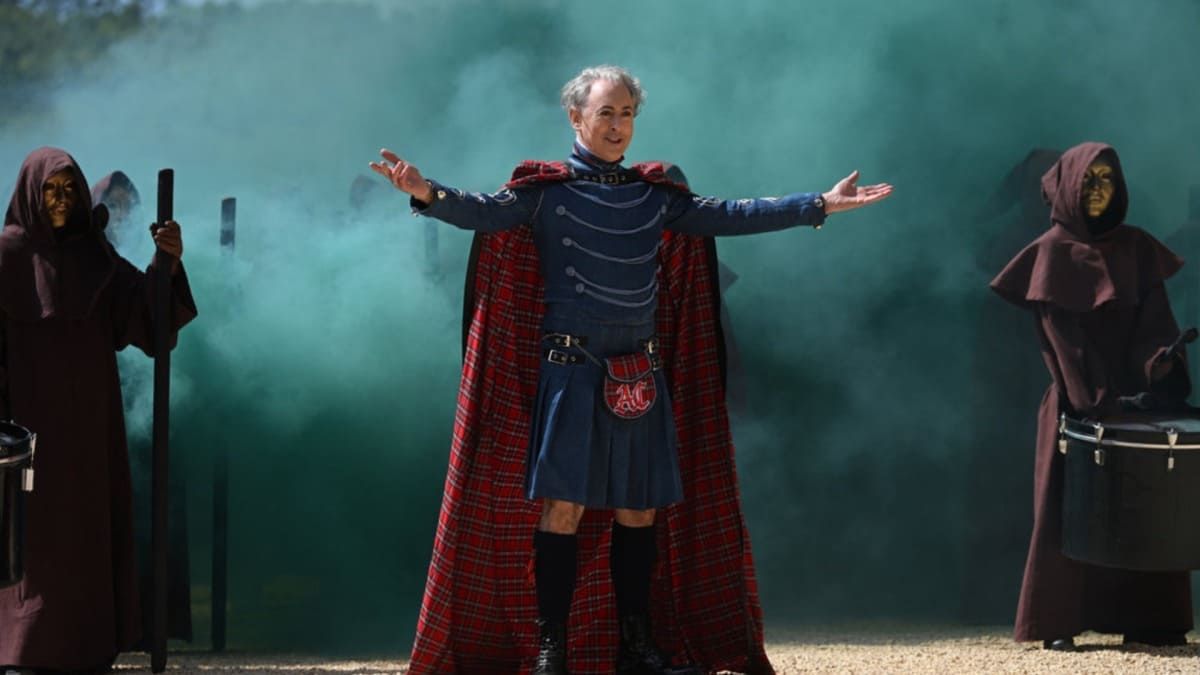
It feels like only yesterday that fans of Peacock’s reality competition The Traitors watched Donna Kelce slink through a darkened Ardross Castle as a Secret Traitor, witnessed campy Housewife‑on‑Housewife crime, and were left wondering how anyone could derail a roundtable as swiftly as Michael Rapaport. For four seasons, a celebrity cast of reality vets, Olympians, retired royalty, and Bravo fixtures gave us exactly the messy, status‑jockeying spectacle we tuned in for. But after watching affable Love Island cast‑off‑turned‑Traitor Rob Rausch practically glide towards the winning $220,800 pot with minimal friction in season four, one thing was clear: While the game may have been afoot, it was also in dire need of some new energy. And within the first five minutes of The Traitors: New Blood, the first all‑civilian run of the franchise’s American incarnation, the swap already feels like a breath of fresh air.
Instead of being strapped into an awkwardly stuffy Uber Black, we’re treated to whimsy in the form of a vintage train ridean almost‑iconic mode of transportation for fans of the UK versioncomplete with an obligatory Hogwarts reference from our first arriving player, amped funeral director Joe Vanella. The train sets a tone that’s less “high‑stakes reality” and more “cozy mystery,” a subtle shift that signals the show’s willingness to experiment. The journey itself feels less like a set piece and more like an invitation to explore a world where the ordinary can be uncanny.
The new cast’s relative anonymity is a gift. Two contestants, Michael Foote and Morgan Cook, are popular content creators, yet their public personas don’t carry the baggage of past reality‑show reputations. This means no preconceived alliances or stale reputations to hang assumptions on. The game starts on a clean slate, and that clean slate makes every accusation feel fresher. I’m already seeing the early stages of a different kind of dramaone that relies on subtlety and misdirection rather than headline‑making scandals.
Kim Daily, a sharply suited litigator from Houston, notes that “people think lawyers are dishonest, manipulative, [and] deceitful”a reputation she immediately earns by falsely introducing herself as a college basketball coach. Her strategy is simple enough to follow, and, to her credit, offers an interesting experiment upon arrival: Michael, also a lawyer, faces the same prejudgment but doesn’t really have the option to lie thanks to his publicized internet persona. Turns out the only thing potentially harder than having to maintain a fabricated personal history is having an extremely Google‑able one. The tension between a lawyer’s duty to truth and the game’s need for deception is a narrative thread that feels both timely and oddly relevant personal branding can be a double‑edged sword.
Soon after, longtime fans are confronted with another change: groundskeeper Fergus, previously played by John Ritchie, has been replaced by a set of very familiar twin castle keepers, Harry Potter alumni James and Oliver Phelps. The switch isn’t entirely out of nowhere: In June, Ritchie confirmed that production decided to cut the beloved character from the series. The jury’s still adjusting, but the Phelps twins bring a playful, almost mischievous energy that feels like a nod to the show’s origins while also pushing it forward.
Here’s the thing: the move to an all‑civilian cast has stripped away the “celebrity‑driven drama” that some viewers grew used to and replaced it with a raw, unpredictable game of trust and betrayal. The anonymity of the contestants, coupled with the strategic misdirection of characters like Kim Daily, creates a tension that feels more organic than the scripted alliances of previous seasons. The show’s willingness to retool its support characterslike swapping Fergus for the Phelps twinsshows a confidence that the core premise can thrive without the crutch of star power.
In the end, The Traitors: New Blood proves that sometimes the best way to keep a game fresh is to let it breathe on its own terms. The new energy is palpable, and the stakes feel higher because everyone is starting from the same point. If this season keeps the momentum, we might finally see the franchise evolve into something that feels less like a reality‑show gimmick and more like a genuine social experiment.