Politics
Trump Administration Defends White House Media Ban in Court Filing, Says Access 'Is a Privilege'
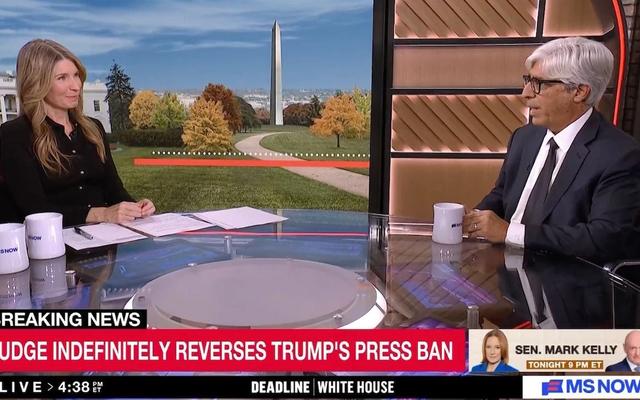
The ban on MS NOW, CNN and Politico from the White House has turned a routine credential dispute into a constitutional showdown.
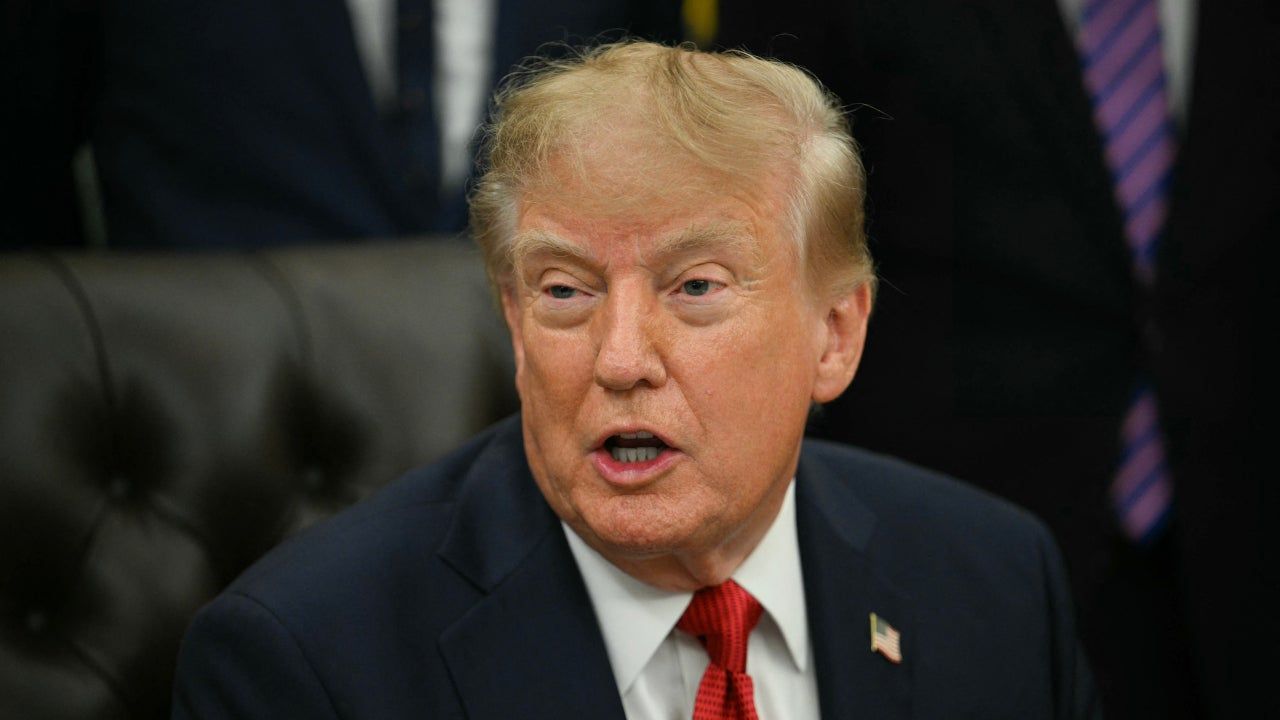
The ban on MS NOW, CNN and Politico from the White House has turned a routine credential dispute into a constitutional showdown. Three media houses, whose reporters had long been granted access to the Oval Office, were suddenly stripped of their passes after President Donald Trump posted a statement on Truth Social that the outlets were “writing fiction and lies.” The outlets now argue that the revocation violated their First Amendment rights, while the administration insists the move was a routine exercise of presidential privilege.
In a late‑night filing, the Trump administration argued that the President’s decision to deny access was “not retaliatory because the Government would have taken the same action anyway, notwithstanding Plaintiffs’ speech criticizing the President.” The defense hinges on the idea that the President has the sovereign right to control who enters the White House, a privilege that the administration claims is not a constitutional right for the press. The filing further states that the outlets “are unlikely to prevail on their due process claims because, even if they have a constitutional right to access the White House, they have received adequate notice and post‑deprivation process, including an opportunity to contest the President’s factual findings.” The administration therefore asks the judge to deny the temporary restraining order that the outlets seek.
The legal framing is clear: the President can revoke credentials without a court order, and any challenge must prove that the revocation was arbitrary or retaliatory. The administration’s language underscores that the decision was made independently of any litigation, suggesting that the ban was a pre‑emptive measure rather than a response to the lawsuits.
CNN, Politico and MS NOW filed a joint complaint and memorandum of law in the U.S. District Court for the District of Columbia, accompanied by a motion for a temporary restraining order. Their statement bluntly claims that the White House “does not decide what the press reports or publishes” and that the ban “threatens press freedom and the public’s right to independent journalism free from government interference.” The outlets argue that the revocation was a direct response to their reporting, a fact that, if proven, would make the ban a violation of the First Amendment. They also emphasize that the decision was made without notice or process, a procedural lapse that undermines due process.
The case hinges on whether a President can unilaterally deny access to the press without judicial review, and whether such a denial constitutes retaliation for critical coverage. The court will have to weigh the President’s constitutional authority to control access against the press’s constitutional right to cover the government.
This dispute is not isolated; it reflects a growing trend of executive‑led attempts to curtail press access. Similar actions have occurred under previous administrations, but the Trump era amplified the rhetoric, labeling dissenting outlets as “fake news.” The current case could set a precedent for how future presidents wield credential power. If the court upholds the ban, it may embolden future administrations to use access restrictions as a tool of political pressure. Conversely, a ruling in favor of the outlets would reinforce the principle that the press enjoys a de facto right to cover the executive branch, even in the absence of explicit constitutional language.
The stakes are high for the broader media ecosystem. A ruling that limits presidential discretion could restore confidence in the press’s ability to report without fear of punitive access cuts. A ruling that favors the administration would signal a chilling effect on independent journalism, potentially changing the field of political reporting in the United States.
Given the court’s historical reluctance to interfere with executive privilege in matters of access, I anticipate that the judge will initially grant the temporary restraining order to preserve the status quo while the full merits are considered. However, the final decision will likely hinge on the evidence of retaliation. If the outlets can demonstrate that the ban was a direct response to their reporting, the court may find the restriction unconstitutional. If not, the administration’s argument that the ban was a routine exercise of privilege may prevail.
The outcome of this case will reverberate beyond the three outlets involved. It will either reaffirm the press’s implicit right to access or expand the executive’s latitude to control the flow of information. Either way, the ruling will shape the contours of press freedom for years to come.