Politics
Trump Considers Allowing Public Execution Livestream: 'Maybe Other People Won't Be Doing What He Did'
The decision to livestream the execution of Nidal Malik Hasan sits squarely on the shoulders of President Donald Trump. The former commander‑in‑chief of the U.S.
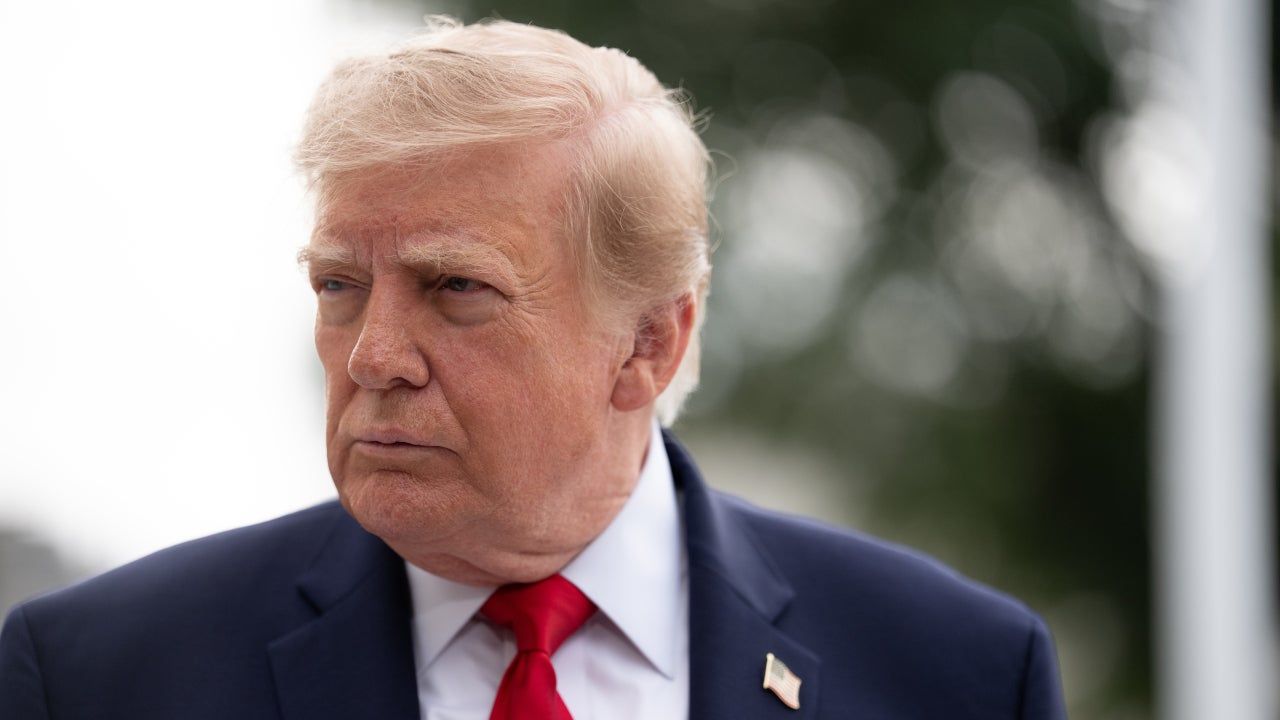
The decision to livestream the execution of Nidal Malik Hasan sits squarely on the shoulders of President Donald Trump. The former commander‑in‑chief of the U.S. Army, whose 2009 Fort Hood massacre left 13 dead and more than 30 wounded, has been a polarising figure. For Trump, the stakes are twofold: honouring the military’s desire for transparency and weighing the moral implications of broadcasting a death sentence. The president’s silence on the matter has already ignited debate across the political spectrum.
Trump’s comments reveal a man torn between the military’s insistence on a public display and the broader societal impact of such a spectacle. He acknowledged the “vicious killer” label attached to Hasan and the gravity of the crimes, yet he also hinted that showing the execution might deter future atrocities. The president’s uncertainty signals a broader hesitation within the administration to endorse a move that could set a precedent for state‑backed public executions.
Secretary of Defense Pete Hegseth has championed the livestream, arguing that the public deserves to see the consequences of heinous acts. Hegseth’s stance aligns with a tradition of military transparency, but it clashes with the FCC’s view that the broadcast does not fall under its jurisdiction. FCC chairman Brendan Carr emphasized that the event would not be on broadcast TV, thereby sidestepping regulatory oversight. Carr’s trust in Hegseth underscores a division within government agencies over how to handle the moral weight of a televised execution.
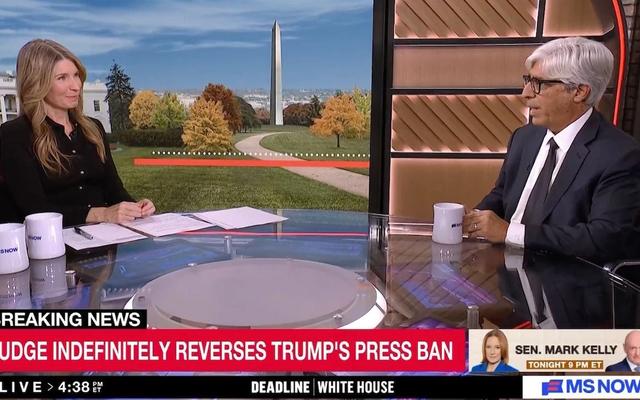
The announcement drew swift condemnation from public figures such as Stephanie Ruhle, Henry Winkler, Joyce Carol Oates, and Alyssa Farah Griffin. Ruhle, a co‑host of “View,” warned that the broadcast would be “bad for the human soul,” highlighting the ethical dilemma of turning a death into entertainment. Their reactions reflect a broader cultural discomfort with state‑sanctioned spectacle, especially when it involves the ultimate punishment.
If the livestream proceeds, it would mark the first military execution in over six decades. This act could signal a shift in how the U.S. Military communicates justice to the public. Historically, executions were shrouded in secrecy; opening the process to live viewers could redefine the relationship between the armed forces and civilian society. However, the move risks normalising state violence and could erode public trust in the military’s moral authority.
Given the polarized responses and the legal ambiguities surrounding broadcast regulations, it is likely that the administration will postpone the livestream until a clearer framework is established. Trump’s indecision, coupled with the FCC’s stance, suggests a cautious approach that balances transparency with ethical considerations.
The unfolding debate will shape not only the fate of Hasan’s execution but also the future of how the U.S. Military engages with the public on matters of life, death, and justice. The next few weeks will be pivotal in determining whether the nation will witness a historic broadcast or retreat to a more restrained execution protocol.