Politics
Trump Finds New Assistant Press Secretary in Real America's Voice Correspondent
The 24‑year‑old Beni Rae Harmony has just joined the Trump administration as assistant press secretary, a move that signals a shift in how the former president is looking to shape his media narrative.
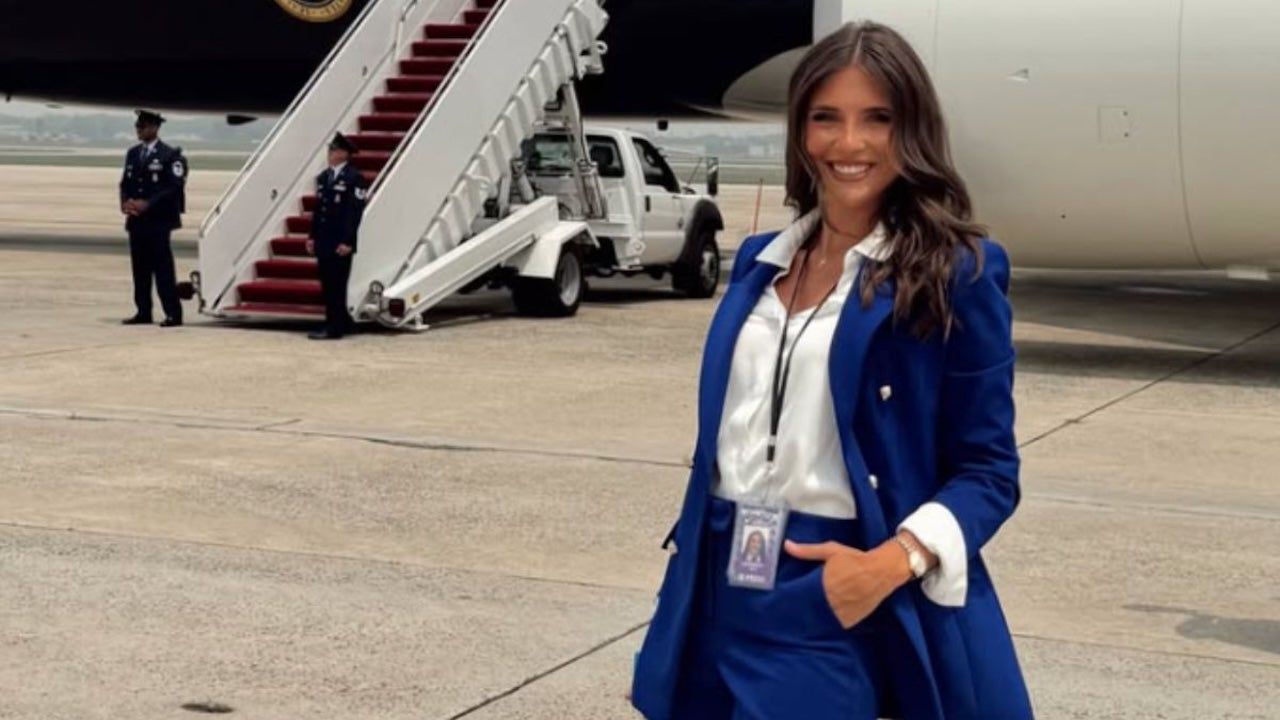
The 24‑year‑old Beni Rae Harmony has just joined the Trump administration as assistant press secretary, a move that signals a shift in how the former president is looking to shape his media narrative. Harmony, who has been reporting from the White House for Real America’s Voice since September 2025, announced her new role on X after a TMZ tip‑off. Her appointment comes as the Trump White House searches for a successor to Karoline Leavitt, the youngest press secretary in the office’s history.
Harmony’s trajectory from a correspondent to a senior aide illustrates the growing influence of niche conservative media outlets. Real America’s Voice, a platform that positions itself as a “real America” advocate, has carved out a dedicated audience that aligns closely with Trump’s base. By bringing Harmony into the White House, the administration taps into a network that already speaks directly to the demographic that voted for Trump in 2024 and 2025. Her experience covering the administration from the outside gives her a unique perspective: she knows how the media portrays the president and how the president’s messaging is received by ordinary voters.
The appointment also reflects a broader trend in American politics where senior media professionals are increasingly moving into governmental roles. This blur between journalism and policy can be seen in other administrations as well, where former reporters have taken on communications positions. The Trump team’s choice underscores a belief that those who have spent years dissecting presidential actions can now help craft the narrative from within.
Karoline Leavitt’s departure left a noticeable vacancy. At 27, she was the youngest person to serve as White House press secretary since Trump’s 2025 inauguration. Her exit, announced on Truth Social, was framed as a personal decision to focus on her growing familyshe welcomed a daughter, Viviana Vivi Riccio, in May 2026. The timing of her resignation, just before the midterm cycle, suggests a strategic recalibration of the administration’s communications team. Trump’s own post on Truth Social highlighted Leavitt’s future role as an outside advisor, indicating that the administration intends to keep her influence while freeing her to devote time to her children.
Harmony’s promotion fills the immediate gap, but it also signals a shift in the administration’s messaging priorities. By elevating a correspondent who has consistently framed questions around “real Americans,” the White House is likely to emphasize policy issues that resonate with that audience, potentially steering the conversation toward economic concerns and immigration policyareas that have historically driven the Trump base.
This appointment is part of a larger cultural movement where the lines between media and politics are increasingly porous. The rise of alternative news networks and social media platforms has created new pathways for political messaging. Trump’s reliance on Real America’s Voice and the subsequent integration of its staff into the White House illustrates how political actors are now actively recruiting talent from the very media ecosystems that previously critiqued them.
The trend is not limited to the United States. Across Africa and Canada, we see politicians courting journalists from independent outlets to shape their public image. In Nigeria, for instance, presidential campaigns often hire former reporters to manage media strategy, recognizing that those who understand the press landscape can better navigate scrutiny. Harmony’s move thus reflects a global pattern of media convergence, where journalists transition into political roles to influence the narrative from the inside.
Given the timing and Harmony’s background, I anticipate that the Trump administration will intensify its focus on grassroots messaging. She will likely spearhead initiatives that frame policy in terms of everyday American concerns, especially as the 2027 midterms loom. The administration may also leverage her network to amplify messaging on platforms like X, where her voice already commands attention. If this strategy succeeds, we could see a measurable uptick in engagement metrics for Trump’s social media channels, particularly among younger conservative voters.
However, this integration of media talent into the White House also risks blurring ethical lines. Journalists who become political actors may face accusations of bias, potentially eroding public trust in both the media and the administration. The Trump team will need to balance the benefits of insider knowledge with the need to maintain credibility.
The next few months will reveal whether Harmony’s insider perspective translates into a more coherent, resonant messaging strategy for the administration. As the midterms approach, the White House’s ability to harness the narrative power of “real America” will be a decisive factor in shaping voter sentiment.
In closing, Harmony’s appointment is more than a personnel shuffle; it is a strategic move that reflects the evolving relationship between media and politics. If the Trump administration capitalizes on her unique position, we may witness a new model of political communication that blends journalistic insight with executive messagingan approach that could redefine how administrations engage with their constituencies in the digital age.