Reality Tv
Whats going on with Elizabeth Holmes X account?
Elizabeth Holmes’s blue‑inked fate has found a new stage: the flickering glow of an X profile that still posts while she serves an 11‑quarter‑year sentence.
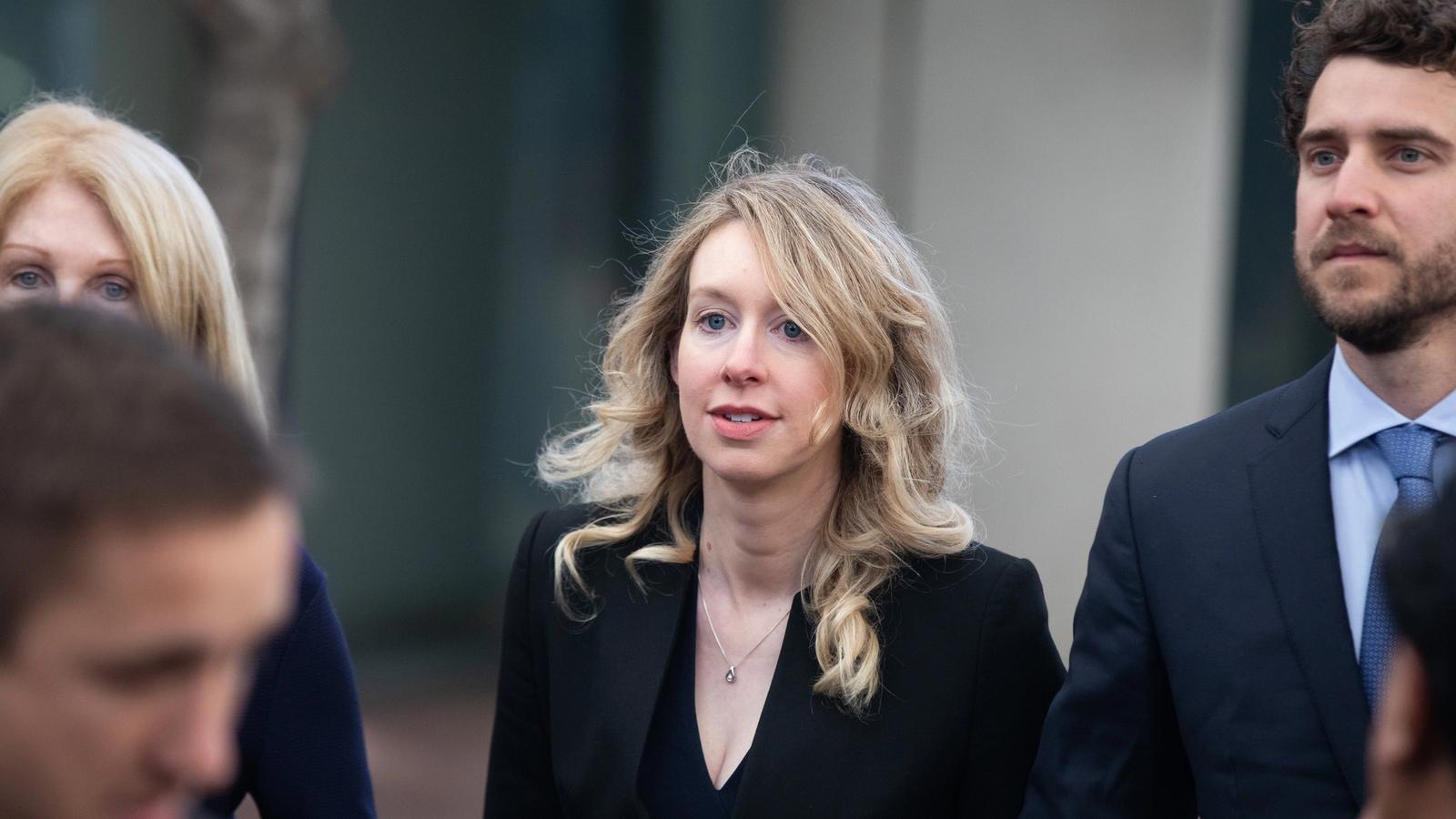
Elizabeth Holmes’s blue‑inked fate has found a new stage: the flickering glow of an X profile that still posts while she serves an 11‑quarter‑year sentence. In the first hour of You Can See Everything, the camera lingers on a screen that blinks with headlines, memes, and a voice that claims to be hers. The account, still active, is the center of a quiet debate about truth, agency, and the power of a single digital mouth.
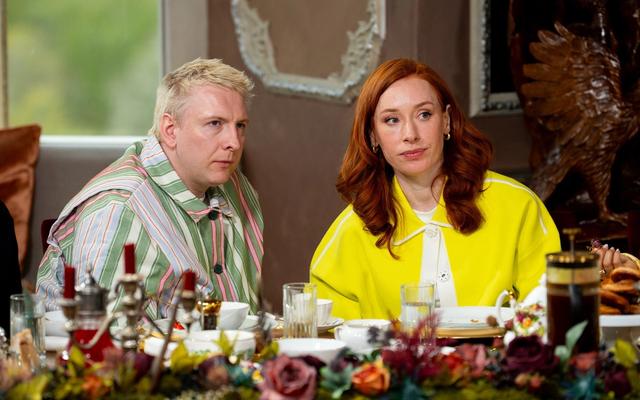
When Nathan Fielder and Lance Oppenheim cut the documentary, they chose to let the story unfold on the platform that has become the modern public square. The film opens with a montage of screenshots: a tweet that says, “Never will,” in response to a question about watching The Dropout, the series that dramatized Holmes’s own downfall. That single line, now deleted, sparks a chain of curiosity. The account has been tweeting for years, even while Holmes is behind bars, and each post feels like a new chapter in a story that refuses to end.
The documentary reveals that the real hands behind the keyboard are not Holmes herself but her partner, Billy Evans. Evans, who has power of attorney, admits to posting on her behalf. He even created an AI avatar of Holmes to speak to business partners and the public. In the film, Evans explains that he feels comfortable speaking for her and often makes decisions without consulting her. The narrative shows him scrolling through the account, discovering posts that are “inflammatory” or “don’t sound like her,” and then questioning whether they are lies or a misrepresentation of her voice.
Once the film hit screens, viewers began to dissect the account. Memes flooded comment sections, with people tagging Evans as “Any update on this Billy?” and calling the duo a liar. The account’s recent postseulogies for Lindsey Graham, cryptic warnings about “No one can stop what’s coming,” and remarks about Charlie Kirkfuel a conversation that extends beyond the documentary. The public, now armed with screenshots and analysis, is debating the authenticity of the voice that still echoes from a prison cell.
As a writer, I see the X account as a paradox. On one hand, it is a tool that keeps Holmes in the public eye; on the other, it is a reminder of the limits of agency when a person is incarcerated. The platform becomes a stage for a partnership that blurs the lines between personal and legal authority. It raises questions about how we judge truth when the source is no longer present to confirm or deny.
The documentary has opened a window into a new era of storytelling, where digital footprints can outlast physical confinement. Holmes’s story, already a cautionary tale about ambition and deception, now adds a layer of digital intrigue. The next chapterher and Evans’s planned blood‑testing startupremains a mystery. Yet the X account will likely continue to be the voice that audiences hear, whether it be a genuine reflection of Holmes or a curated image crafted by Evans. The platform’s continued activity suggests that the conversation about her legacy is far from over, and the next posts will probably keep the debate alive.