Politics
When it comes to election advice, maybe AI isnt so bad after all?
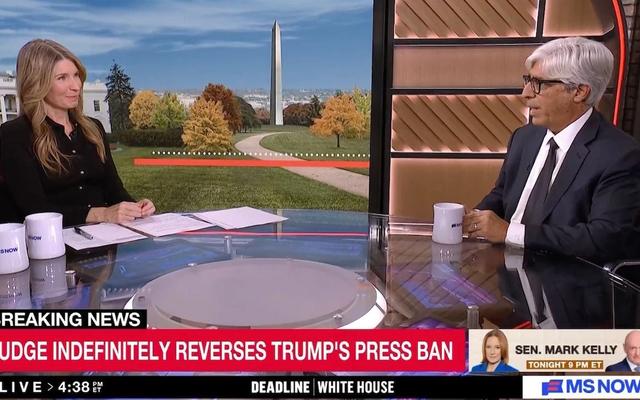
When a veteran political commentator learns that people are asking ChatGPT for voting guidance, he pauses.
When a veteran political commentator learns that people are asking ChatGPT for voting guidance, he pauses. Not whether AI can replace a well‑researched ballot, but whether it can be a useful shortcut when the alternative is doing nothing at all.
The author, a former Capitol Hill press secretary turned opinion columnist, has spent more than a decade shaping political narratives. He has been the go‑to person for friends, neighbors and family across the country when they ask, “Who should I vote for?” His own journeyfrom the youngest press secretary on Capitol Hill to a public‑relations strategist, and now a columnisthas given him a deep reservoir of knowledge about candidates, platforms and the mechanics of elections. Yet, even he admits that his “self‑imposed rule” of voting for the best person, not the party, has frayed in recent years.
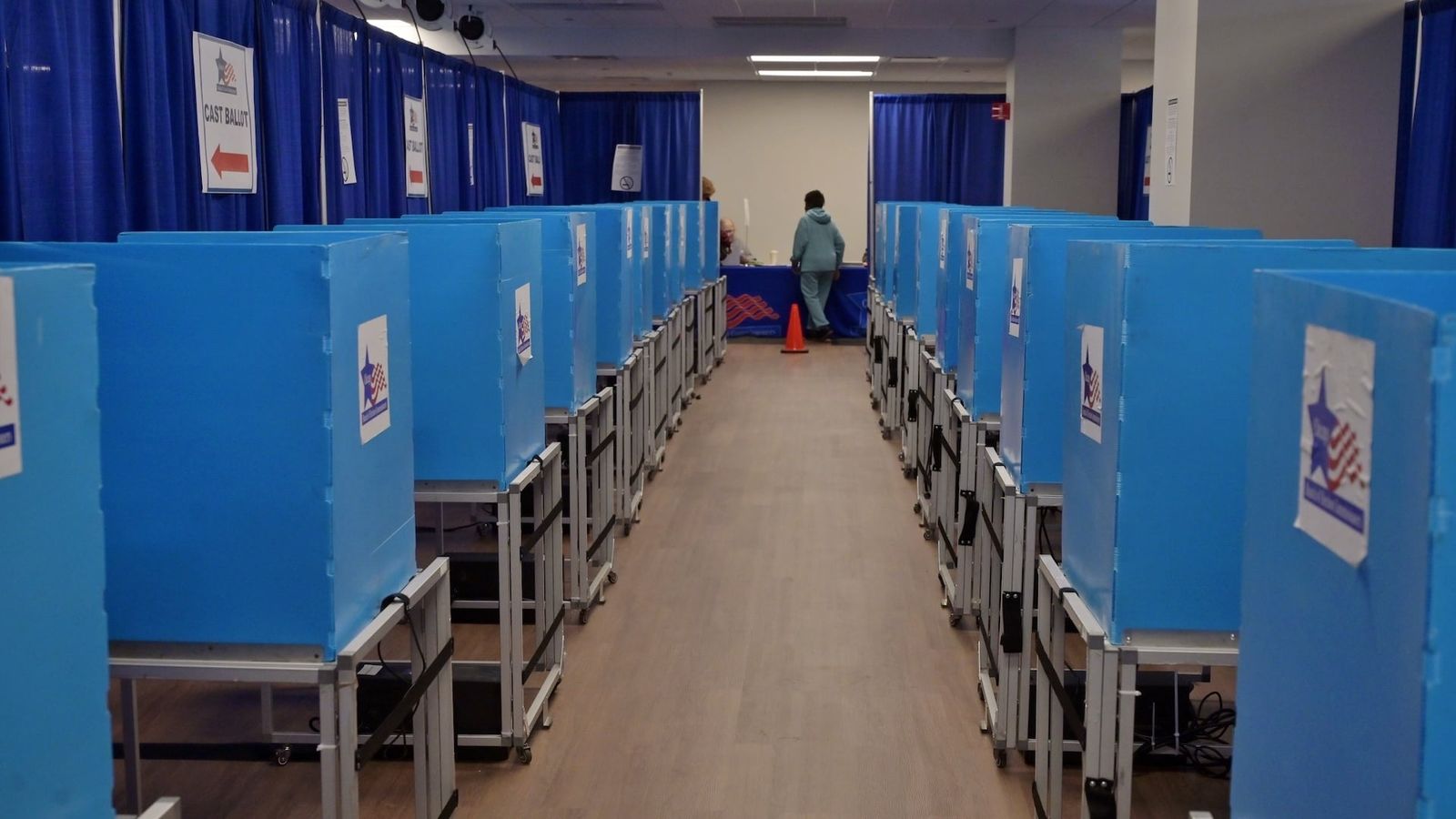
The author tested the claim that AI could tell voters how to vote. He posed the question to both ChatGPT and Claude, the AI model from Anthropic. Both returned the same core advice: “Find your ballot, identify the issues that matter to you, and compare the candidates’ stances.” They offered side‑by‑side comparisons of positions but stopped short of endorsing any candidate. Their output mirrored the author’s own approach, reframing the task as research rather than instruction. The AI’s role, therefore, is to streamline the data‑collection process, not to dictate a vote.
The author notes that most voters rely on political ads as their primary source of information. These ads, which begin airing after Labor Day and repeat until Election Day, often present the same talking points over and over. When a voter hears a candidate’s words repeatedly, the message can feel familiar and reassuring, even if it offers little new insight. AI can counter this by aggregating independent datacandidate websites, public records, policy statementsinto a single, searchable format. In a landscape saturated with repetitive messaging, that consolidation can be a game‑changer for the average voter.
This experiment sits within a larger trend of data‑driven decision‑making in politics. From micro‑targeted ads to real‑time sentiment analysis, the industry is increasingly reliant on algorithms to shape electoral outcomes. Yet, the author’s experience suggests that algorithms are most effective when they serve as tools for human judgment rather than replacements for it. The AI’s neutral stancepresenting facts without biasmirrors the ideal of an informed electorate that weighs evidence before casting a ballot.
Given the current trajectory, I predict that AI will become a standard companion for voters who want to cut through the noise. By 2028, we will likely see a surge in third‑party platforms that integrate AI‑generated candidate comparisons into mobile apps. These tools will be marketed as “research assistants” rather than “vote‑makers,” emphasizing that the final decision remains human. However, the success of such tools will hinge on transparency and the ability to audit the data sources AI uses.
The author’s cautious endorsement“if all else fails, maybe it’s not such a bad idea”captures the balance between skepticism and opportunity. AI can democratize access to information, but it cannot replace the deliberative process that defines responsible citizenship. As voters, we must remain vigilant: use AI to inform, not to dictate.
In the coming months, I expect to see more public debates about the ethical use of AI in elections. The conversation will likely focus on how to safeguard against misinformation while leveraging the efficiency of machine learning. For now, the takeaway is clear: AI can be a valuable shortcut, but the weight of the ballot still rests in human hands.