Politics
White House Fires Back at Chuck Lorre After Anti-Trump Gala Speech: 'Seek Psychiatric Help'
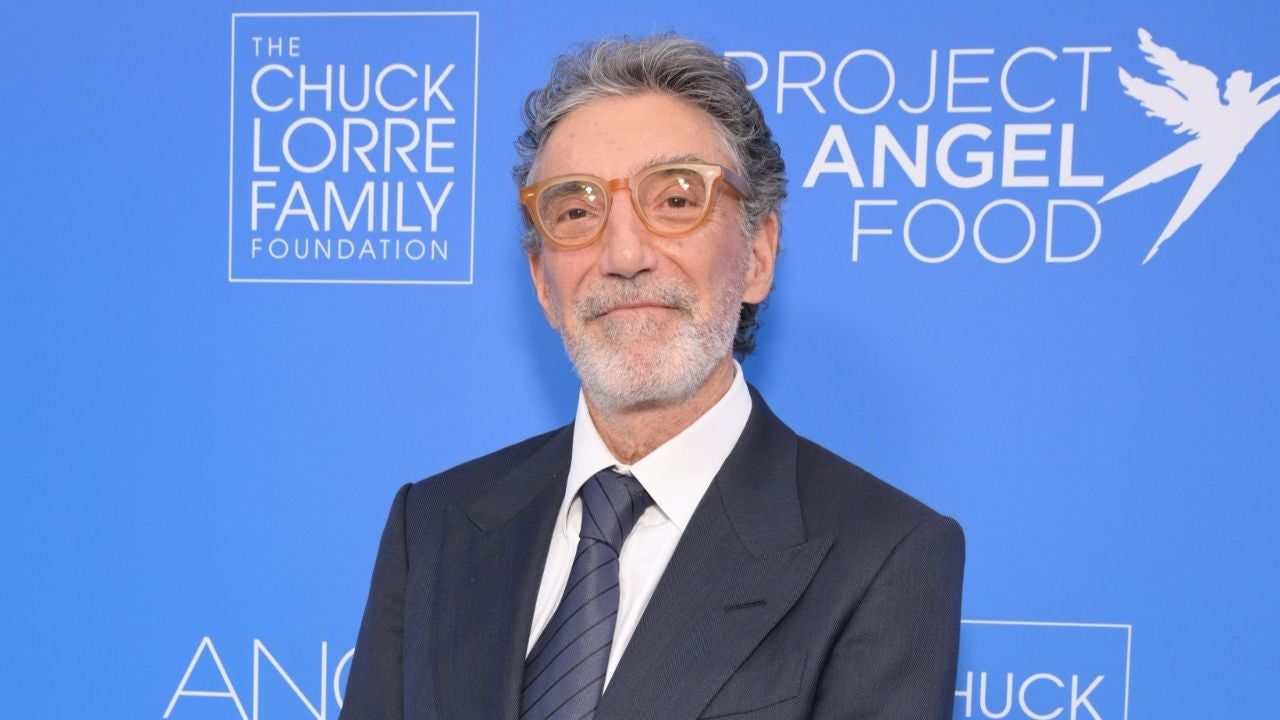
The night the Founders Angel Award was presented at Project Angel Food’s September 26 Angel Awards, a familiar face on American television stepped onto the stage with a mic that would become a lightning rod for political fire. Chuck Lorre, the mind behind Big Bang Theory, Two and a Half Men and Mom, used his acceptance speech to roast President Donald Trump and First Lady Melania Trump. The comments were sharp, the delivery comedic, and the reaction swift: the White House issued a rebuke that read like a personal health advisory, telling Lorre to “seek psychiatric help” for what it called “Trump Derangement Syndrome.”
Lorre’s remarks unfolded in a charity setting, yet they carried the weight of a public political statement. He opened with a nod to the cause, thanking those who support Project Angel Food, but quickly pivoted to a barrage of jabs. “I wake up every morning to turn on CNN to see if the president of the United States had a heart attack while straining to take a dump,” he quipped, a line that drew laughter and ire in equal measure. He also compared Melania Trump unfavorably to former First Lady Michelle Obama, calling for her to “pull out your wallets” and support the charity. The speech, delivered to a crowd of philanthropists and entertainers, was a clear political act, not merely a comedic aside.
The White House’s response, delivered by spokesperson Davis Ingle on Fox News Digital, was unusually blunt. “Chuck Lorre should immediately seek psychiatric help to treat his severe case of Trump Derangement Syndrome that has completely rotted his peanut‑sized brain,” the statement read. The use of the term “Trump Derangement Syndrome”a label the administration has applied to critics of Trumpwas a calculated move, framing Lorre’s political commentary as irrational and pathological. This is not the first time the White House has publicly criticized a celebrity, but the tone and content of the rebuke were starkly personal.
In the United States, the line between entertainment and politics has long been porous. Comedians and actors routinely use their platforms to comment on policy and leadership, often sparking backlash from political establishments. Lorre’s speech fits into a broader trend where entertainers leverage their visibility to influence public discourse. Yet the White House’s reaction signals a tightening of the administration’s tolerance for dissent, especially from high‑profile figures. This episode echoes earlier moments when political leaders have responded to celebrity criticism with sharp retorts, underscoring a growing cultural clash between free expression and political orthodoxy.
Given the public nature of the exchange, it is likely that Lorre will face a flurry of media coverage, both supportive and critical. The White House’s statement may galvanize supporters of Trump to defend the president’s right to free speech, while opponents may view the rebuke as an overreach. In the entertainment industry, the incident could prompt discussions about the limits of political speech at charitable events. I predict that Lorre will issue a brief clarification, perhaps emphasizing that his comments were meant in jest and not as a personal attack on the First Lady. The administration, meanwhile, may double down on its stance, using the episode to rally its base around the idea that dissenting voices are “deranged.”
The broader implication is clear: celebrity political commentary remains a flashpoint, and the response from those in power will continue to shape the boundaries of acceptable public discourse. As the nation watches, the next few weeks will reveal whether this exchange merely scratches the surface of a deeper cultural rift or becomes a catalyst for more pronounced divisions.