Business
Bamboo, Cowrywise explain app disruptions as Dangote IPO demand surges
The morning of the Dangote Petroleum Refinery IPO turned into a digital traffic jam.
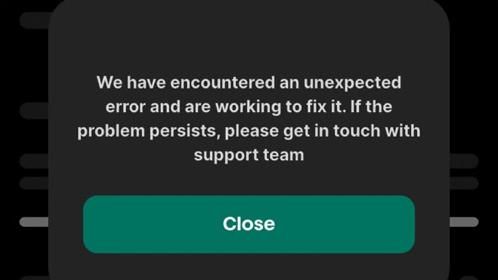
The morning of the Dangote Petroleum Refinery IPO turned into a digital traffic jam. Nigerians who had been lining up for hours on their phones found themselves unable to log in, staring at error messages or waiting endlessly for a loading icon. The two fintech giants that had promised a “people’s IPO”, Bamboo and Cowrywise, were suddenly the bottleneck, unable to deliver the shares they had marketed for months. For the ordinary investor, the frustration was tangible: a missed opportunity to own a piece of the continent’s largest refinery, and a breach of trust in platforms that had built a reputation for seamless access.
In the week before the IPO, Bamboo opened over 236,000 new accounts. Sixty‑four percent of those, or 152,000, were funded and trading within the same week. This figure eclipsed the startup’s best month for sign‑ups, which was 172,000 in May. The numbers speak volumes about the pent‑up demand for Dangote’s refinery shares. They also highlight how aggressively Bamboo had marketed the offering, positioning itself as a bridge between ordinary Nigerians and a high‑profile investment. Yet when the traffic hit, the platform’s infrastructure collapsed, forcing users to abandon their attempts to buy shares. The spokesperson’s apology, “We’re genuinely disappointed and sad that we aren’t giving our community the user experience that we’re known for”, underscores a crisis of confidence. It is not just a technical hiccup; it is a reputational blow that could ripple through Bamboo’s customer base for months.
Cowrywise faced a slightly different scenario. After a brief hour of sluggish response times, the app was restored. The company’s engineer, in a statement, noted that the surge “resulted in some slower‑than‑usual response times for about an hour.” While the outage was shorter, the impact was similar: users could not purchase the shares they had been eager to buy. Cowrywise’s message that the IPO window remains open until October 13 and that customers can retry their subscription directly on the app offers a glimmer of hope. Nevertheless, the fact that both platforms failed to accommodate a surge that had been forecasted weeks earlier points to systemic issues in scaling for sudden spikes.
Both companies clarified that the IPO would be oversubscribed, as anticipated, and that shares would be assigned on a pro‑rata basis. Those who do not receive a full allocation will be refunded for the shares not received. While this policy is standard, the reality of a broken app amplifies the emotional cost for investors who feel robbed of their chance to participate. The promise of a refund may soothe some, but it cannot erase the frustration of a day’s worth of missed opportunities.
This incident reflects a broader trend in Nigeria’s fintech ecosystem: the gap between marketing hype and technical readiness. Over the past decade, Nigerian fintechs have surged, buoyed by a young, tech‑savvy population and a growing appetite for digital financial services. However, the infrastructure that supports these services often lags behind the ambition. Bamboo and Cowrywise had spent months building a narrative that the IPO was a “people’s IPO,” a strategy that resonated with ordinary Nigerians who had long been excluded from high‑profile investment opportunities. Yet the infrastructure, servers, load balancers, database scalability, did not keep pace with the narrative.
This pattern is not unique to Nigeria. Across Africa, fintechs that promise instant access to high‑yield opportunities frequently stumble when the traffic volume exceeds design limits. The lesson is clear: in a market where the promise of rapid inclusion is a key selling point, the technical foundation must be as robust as the marketing.
Given the failure of both platforms to handle the traffic spike, I predict that Nigerian regulators and fintechs will push for a multi‑channel distribution model for future IPOs. Instead of a single app-based portal, issuers may partner with traditional banks, mobile money operators, and even physical kiosks to spread the load. This would not only mitigate technical risk but also broaden access to investors who are less comfortable with app‑only transactions. If Bamboo and Cowrywise wish to regain trust, they will need to invest in distributed architecture and perhaps collaborate with cloud providers to ensure auto‑scaling during peak demand.
The Dangote IPO disruption has exposed a critical vulnerability in Nigeria’s fintech landscape. While the IPO window remains open until October 13, the damage to user confidence is already done. For Bamboo and Cowrywise, the path forward will involve transparent communication about the steps they are taking to prevent a recurrence, tangible upgrades to their systems, and perhaps a re‑imagined approach to distributing high‑profile investment offerings. Investors who missed the chance to buy shares now face a waiting game: will they be allocated shares, or will they be refunded? The outcome will shape how future IPOs are conducted in Nigeria’s rapidly evolving digital economy.