Business
Terrahex wants to build Bitcoin mines around Nigeria's stranded power
Olumayowa Ogunnusi, a former oil‑and‑gas veteran, is turning Nigeria’s power woes into a crypto goldmine.
Olumayowa Ogunnusi, a former oil‑and‑gas veteran, is turning Nigeria’s power woes into a crypto goldmine. While attending a wedding in the United Kingdom in May 2025, a casual chat sparked the idea that cheap, stranded electricity could feed a new Bitcoin mine. He has since founded Terrahex, a high‑performance computing firm that plans to mine Bitcoin on Nigeria’s idle power and sell the output to institutional buyers.
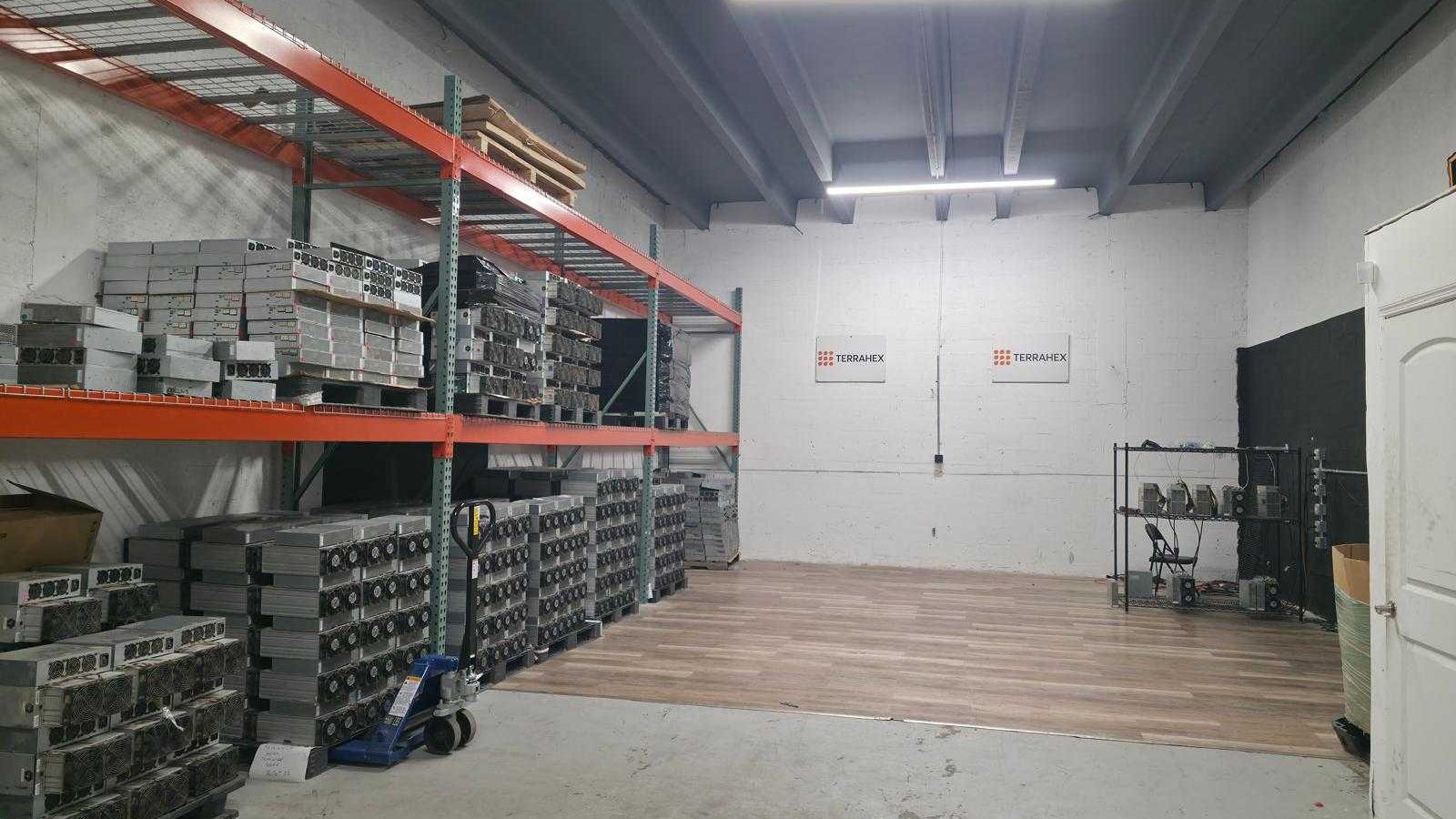
Terrahex’s first site, dubbed “Node One,” will occupy nine megawatts of capacity and house roughly 2,400 ASIC miners in six containerised units. The operation is slated to go live in December 2026, reaching full capacity by the end of Q1 2027. The choice of ASICsapplication‑specific integrated circuitsis deliberate: they deliver the highest hash rates per watt, a critical factor when electricity is the single largest operating cost for Bitcoin mining.
The company’s strategy hinges on Nigeria’s chronic electricity imbalance. In 2025, the Nigerian Electricity Regulatory Commission reported that only 5,398.33 MW of the 13,625 MW installed capacity was available for dispatch. By Q1 2026, that figure had dropped 16.9 % to 4,458 MW. Even when power is available, grid constraints often leave it stranded, with no reliable buyer. Terrahex sees an opportunity to convert this excess into revenue, effectively monetising what would otherwise be wasted.
Terrahex’s business model is simple yet compelling. The firm will purchase electricity at rates below the market average, leveraging its knowledge of oil‑field infrastructure and Nigeria’s energy landscape. With a 9‑MW installation, the company can generate approximately 1.5 BTC per day, assuming an average hash rate of 100 TH/s and current network difficulty. At a Bitcoin price of $60,000a conservative estimate for 2027the daily revenue would hover around $90,000. After subtracting electricity costs, cooling, and maintenance, the margin could still exceed 30 %, a figure that would attract institutional investors looking for high‑yield, low‑risk crypto assets.
This model mirrors successful ventures elsewhere on the continent. In Bayelsa, southern Nigeria, flare‑gas‑powered mining has already demonstrated that renewable or waste energy can sustain profitable operations. Ethiopia’s hydro‑electric projects have similarly attracted crypto miners, turning surplus water‑power into a global commodity. Terrahex’s entry into this space could set a precedent for other African nations grappling with similar energy challenges.
Terrahex’s ambition extends beyond Bitcoin. The firm envisions a broader high‑performance computing ecosystem that could serve data‑intensive industriesartificial intelligence, scientific research, and cloud services. By establishing a foothold in Nigeria’s underutilised energy sectors, Terrahex could become a catalyst for a regional compute hub. This aligns with a growing trend: African countries are increasingly positioning themselves as the next frontier for distributed computing, leveraging surplus power to attract global tech firms.
The stakes are high. If Terrahex succeeds, it could demonstrate that energy‑rich but grid‑poor regions can participate in the global crypto compute boom rather than merely exporting the opportunity. Conversely, failure would reinforce the narrative that Africa remains an external player in the digital economy, dependent on foreign investment and infrastructure.
Given the current trajectory, I predict that Terrahex will secure its first round of institutional funding by mid‑2026. The company’s unique value propositionlow‑cost, high‑efficiency miningwill appeal to hedge funds and sovereign wealth funds seeking diversification into digital assets. Moreover, the Nigerian government, keen to showcase its commitment to renewable energy and digital innovation, may offer incentives such as tax breaks or streamlined permitting. If these conditions materialise, Terrahex could expand beyond Node One, deploying additional 10‑MW sites across the country’s oil fields and hydro‑electric plants.
In the longer term, Terrahex’s success could spur a wave of similar projects across sub‑Saharan Africa, turning the continent’s energy surplus into a new source of global digital capital. The ripple effect would not only reshape Nigeria’s economy but also alter the geopolitical dynamics of crypto mining, traditionally dominated by North America, China, and Iceland.
Terrahex’s journey is evidence of the power of ingenuity in the face of infrastructural adversity. By converting stranded electricity into Bitcoin, Olumayowa Ogunnusi is not just mining digital gold; he is forging a new economic pathway for Nigeria and, potentially, the entire African continent.