Business
IPO gold rush, fintech gridlock
The launch of Dangote Petroleum Refinery into the public market has turned Nigeria’s fintech ecosystem into a frantic traffic jam.
The launch of Dangote Petroleum Refinery into the public market has turned Nigeria’s fintech ecosystem into a frantic traffic jam. For ordinary Nigerians, the IPO was the headline of the week; for the two fintechs that were the gatekeepersBamboo and Cowrywiseit became a crisis of infrastructure. The stakes were clear: millions of citizens were trying to buy a slice of the country’s largest refinery, and the platforms that promised easy access were suddenly unable to deliver.
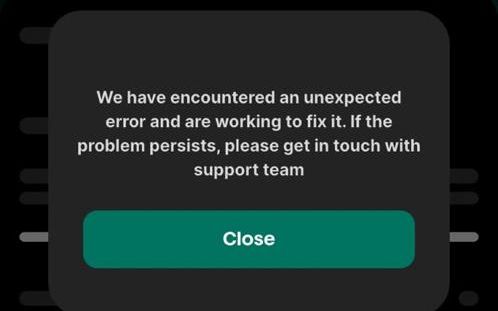
When the doors opened on Monday, users of Bamboo and Cowrywise reported being locked out, seeing error messages, or experiencing sluggish load times. Both companies are listed among the approved channels for the ₦2.15 trillion IPO, which issued 4.1 billion shares at ₦525 each. The engineering teams of the two fintechs admitted the disruption and said they were working to restore access. The problem was not a single bug but a cascade of overloads: the sudden surge in traffic, coupled with the limited capacity of the underlying servers, pushed the systems beyond their design limits. In a country where digital infrastructure is still catching up, such bottlenecks expose the fragility of the fintech supply chain.
While the IPO created a storm, another Nigerian tech player was quietly expanding its footprint. Terra Industriesa defence‑tech company that raised $52 million this yearhas secured a $1 million contract to provide autonomous surveillance and site protection for a gold, lithium, copper, and nickel project in Kaduna. Less than two weeks earlier, Terra had announced $2 million in contracts to secure two Nigerian lithium mining operations. The company is clearly diversifying beyond defence, and mining security appears to be a significant new revenue stream. This move underscores how Nigerian tech firms are leveraging their expertise in autonomous systems to tap into the country’s resource‑rich sectors.
The IPO itself was a landmark event. The refinery, built by Africa’s richest man, Aliko Dangote, offered shares at ₦525 each, with a minimum purchase of 10 shares. The offering raised $1.6 billion, making it one of the largest IPOs in Nigerian history. The sheer scale of the offering attracted a flood of retail investors, many of whom had never invested in the stock market before. The fintech apps, designed for mass participation, were unprepared for the volume, leading to the widespread technical failures. This incident is a wake‑up call for regulators and fintechs alike: the infrastructure that supports retail investment must scale with the appetite of the market.
The disruption at Bamboo and Cowrywise is not an isolated glitch; it reflects a broader trend in Nigeria’s creator economy and capital markets. Fintech platforms have become the primary interface between ordinary citizens and institutional investment. As more IPOs and bond issues open to the public, the pressure on these platforms will only increase. The current episode shows that without robust scaling strategiessuch as load balancing, cloud elasticity, and real‑time monitoringfintechs risk alienating users at critical moments. Moreover, the incident highlights a growing tension between rapid market expansion and the need for resilient technology infrastructure.
Looking ahead, I expect we will see a shift toward hybrid investment platforms that combine the accessibility of fintech apps with the stability of traditional brokerage firms. Regulators will likely push for stricter infrastructure standards, while fintechs will invest in cloud‑based solutions that can auto‑scale during market openings. If the lessons from the Dangote IPO are heeded, the next wave of public offerings in Nigeria will see smoother user experiences, reducing the risk of technical bottlenecks that can erode investor confidence.
The fallout from the Dangote Refinery IPO has already reshaped how Nigerian fintechs approach scalability. As the market continues to open up, the lesson is clear: technology must evolve hand‑in‑hand with capital flows, or the promise of inclusive investment will remain a distant dream.