Politics
I'm not Obidient, not Kwankwasiyya, I'm NDC - Seriake Dickson
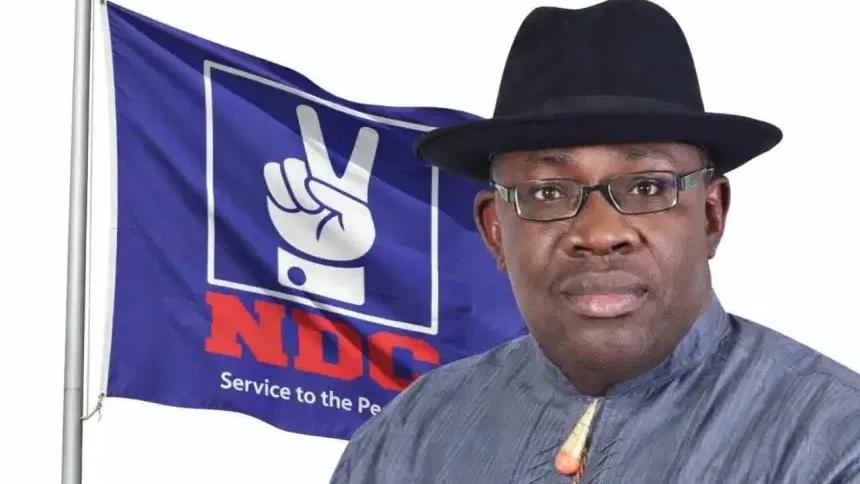
Senator Seriake Dickson may sound like a quiet voice in the Nigerian political arena, but his latest on‑air statement is a loud declaration: he is not a foot‑soldier of the Obidient or Kwankwasiyya camps. In a Prime Time interview, he laid out that his loyalty is to the NDC and that the party’s focus is a clean, united push for the 2027 presidential election. For the ordinary Nigerians who will vote, this means one less fragmented front and a clearer path to a single party agenda.
Dickson’s blunt line“I’m not a member of Kwankwasiyya. I’m not a member of Obedient. I am NDC”is more than rhetoric. It signals that the party has already ironed out internal disputes. By declaring that the Obidient and Kwankwasiyya groups have “distinct identities and are free to operate independently,” he acknowledges their existence but distances the NDC from any factional politics that could dilute its message. The senator’s emphasis on “no internal battles” underscores a strategic pivot: from internal squabbles to a united campaign.
Dickson’s remarks also carry a historical weight. He recalls years of meetings with Peter Obi and Rabiu Kwankwaso, noting that they have been “colleagues, partners and friends, sometimes in the same camp, in the same party, other times, but always meeting.” This isn’t a new alliance; it’s a long‑standing network that the NDC is now harnessing. The implication is that the party’s leadership is banking on the experience and influence of these figures to galvanise voters, rather than letting them compete for the same political space.
For Nigerians, the stakes are clear: a fragmented opposition often translates into a divided electorate. By insisting that supporters “take their campaigns to Nigerians rather than engage in internal disputes,” Dickson is calling for a unified front that can challenge the dominant parties. This is a direct challenge to the conventional wisdom that smaller parties must carve out niche bases. Instead, the NDC is positioning itself as a national coalition that can absorb diverse support groups without losing its core identity.
If the NDC can maintain this unified posture, it is likely to see a measurable uptick in grassroots mobilisation. I predict that by early 2027, the party will announce a formal alliance with both Obi and Kwankwaso, solidifying a joint ticket that will attract voters disillusioned with the status quo. This move could shift the electoral balance, especially in key states where Obi and Kwankwaso have historically commanded strong followings.
The Nigerian political landscape is often described as a game of shifting loyalties. Dickson’s statement cuts through the noise, offering a clear narrative: the NDC is not a side‑track to either the Obidient or Kwankwasiyya movements; it is the platform that will bring them together. For the electorate, this means a single, coherent alternative to the entrenched parties. For the opposition, it signals that the next election will be fought on a broader, more inclusive battlefield.
In short, Dickson’s words are a rallying cry for unity, and if the NDC keeps its promise, the 2027 election could very well be the turning point that reshapes Nigerian politics.