Politics
If I appoint Wike, I'll sellotape his mouth: Adebayo
If I appoint Wike, I’ll put sellotape over his mouth, Adebayo The comment came from Adewole Adebayo, the Social Democratic Party presidential hopeful, during a Symfoni interview.
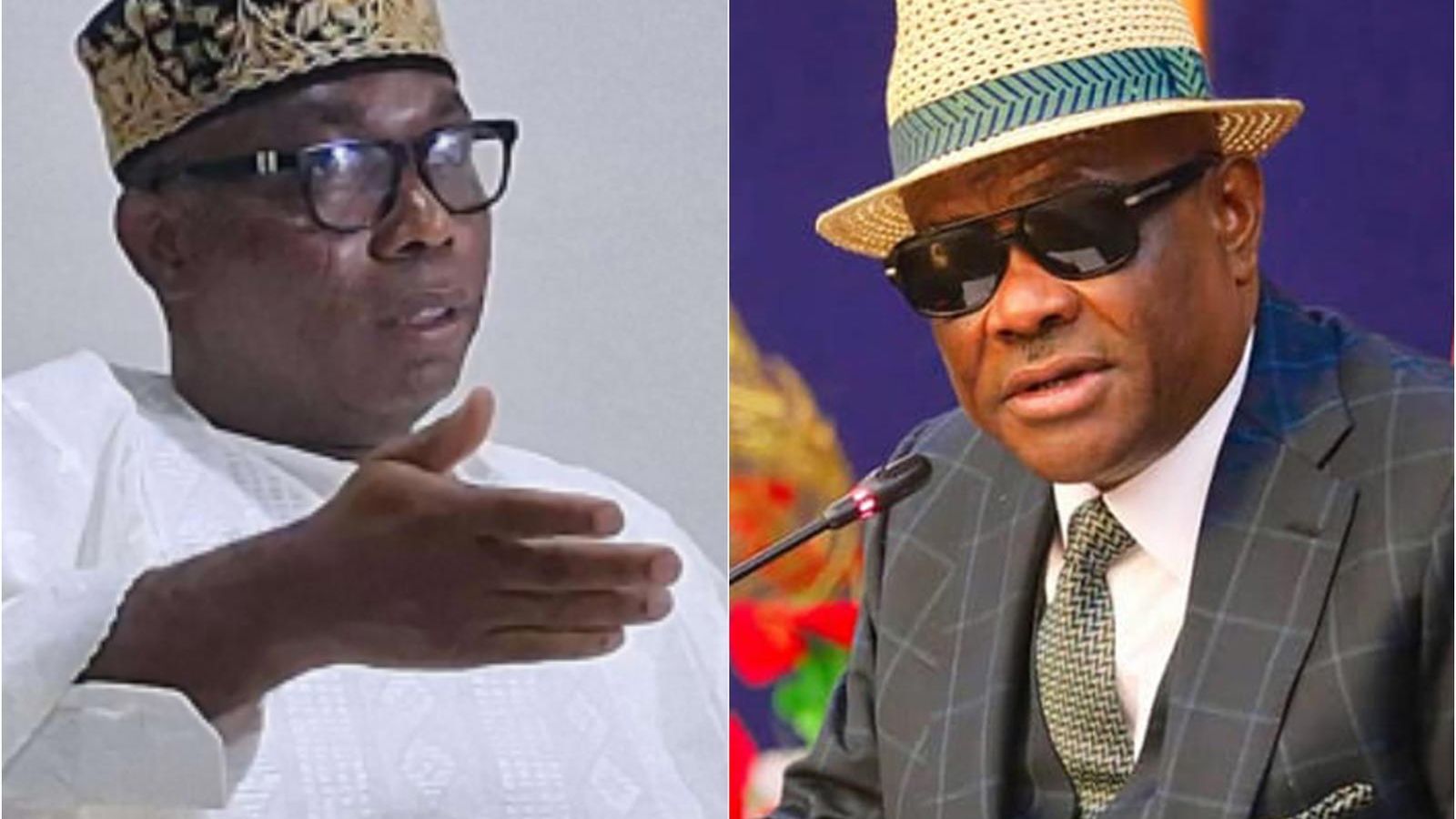
If I appoint Wike, I’ll put sellotape over his mouth, Adebayo
The comment came from Adewole Adebayo, the Social Democratic Party presidential hopeful, during a Symfoni interview. He said that should he be in power, he would literally tape the mouth of Federal Capital Territory Minister Nyesom Wike to curb his public outbursts. The stakes are clear: a future administration deciding whether to keep a minister whose work ethic is praised but whose communication style is deemed a liability for national politics.
Adebayo’s remarks are a mix of admiration and admonition. He acknowledges that Wike has a “good work ethic” and that his output in the FCT surpasses that of previous ministers. He cites visible infrastructure projects that have eased travel and improved daily life for residents. Yet he also criticises Wike’s “glorification of force and state power,” calling him a “bad example for Nigerian politics.” The tape metaphor is a blunt visual of Adebayo’s desire to silence a minister whose rhetoric he sees as dangerous, even as he recognises the tangible benefits of Wike’s tenure.
Wike’s record in the FCT is not merely anecdotal. He has overseen the completion of several road and drainage projects that have reduced congestion and improved sanitation. Adebayo notes that if other state commissioners matched Wike’s output, Nigeria’s infrastructure would leap forward. The minister’s approachoften described as “forceful”has yielded results, but at the cost of perceived value for money. Contracts under Wike’s watch are sometimes inflated, raising questions about fiscal stewardship. Still, the visible transformation of the capital city suggests that a results‑oriented approach can be effective when paired with disciplined execution.
Adebayo blames the media for turning Wike into a “clown.” He argues that journalists give him platforms beyond FCT matters, turning his statements into spectacles that undermine the dignity of his office. This criticism reflects a broader concern about how media coverage can distort political discourse. By amplifying a minister’s theatrics, the press may inadvertently legitimize a style that relies on intimidation rather than dialogue. Adebayo’s call for the media to focus on substantive policy rather than sensationalism is a plea for a more mature public sphere.
The tape metaphor is emblematic of a deeper cultural tension in Nigerian politics. On one hand, there is a legacy of “thuggish talk” and the use of force to command attention. On the other, there is an emerging insistence on democratic norms and civilised discourse. Adebayo’s warning that Wike’s style could “raise a generation of young people who believe democratic politics can be conducted through force” taps into fears that populist rhetoric will erode institutional integrity. His stance positions him as a candidate who values both results and the manner in which those results are achieved.
Given Adebayo’s public stance, it is likely that his campaign will continue to highlight the tension between performance and propriety. Should he win the presidency, he may appoint Wike as a minister but impose strict communication guidelines, perhaps limiting public appearances or enforcing a media brief. Alternatively, he could opt for a more traditional cabinet, sidelining Wike entirely to avoid the “force” he fears. Either path signals a shift toward a more disciplined political culture, though the effectiveness of such measures remains to be seen.
The debate over Wike’s suitability underscores a broader question: can a minister’s tangible achievements outweigh the risks of a confrontational public persona? Adebayo’s candid appraisal forces us to weigh outcomes against the manner in which they are pursued. As Nigeria moves toward its next election cycle, the conversation around Wike will likely remain a barometer for the country’s evolving political ethos.