Politics
Obi denies rejecting Atiku's VP offer
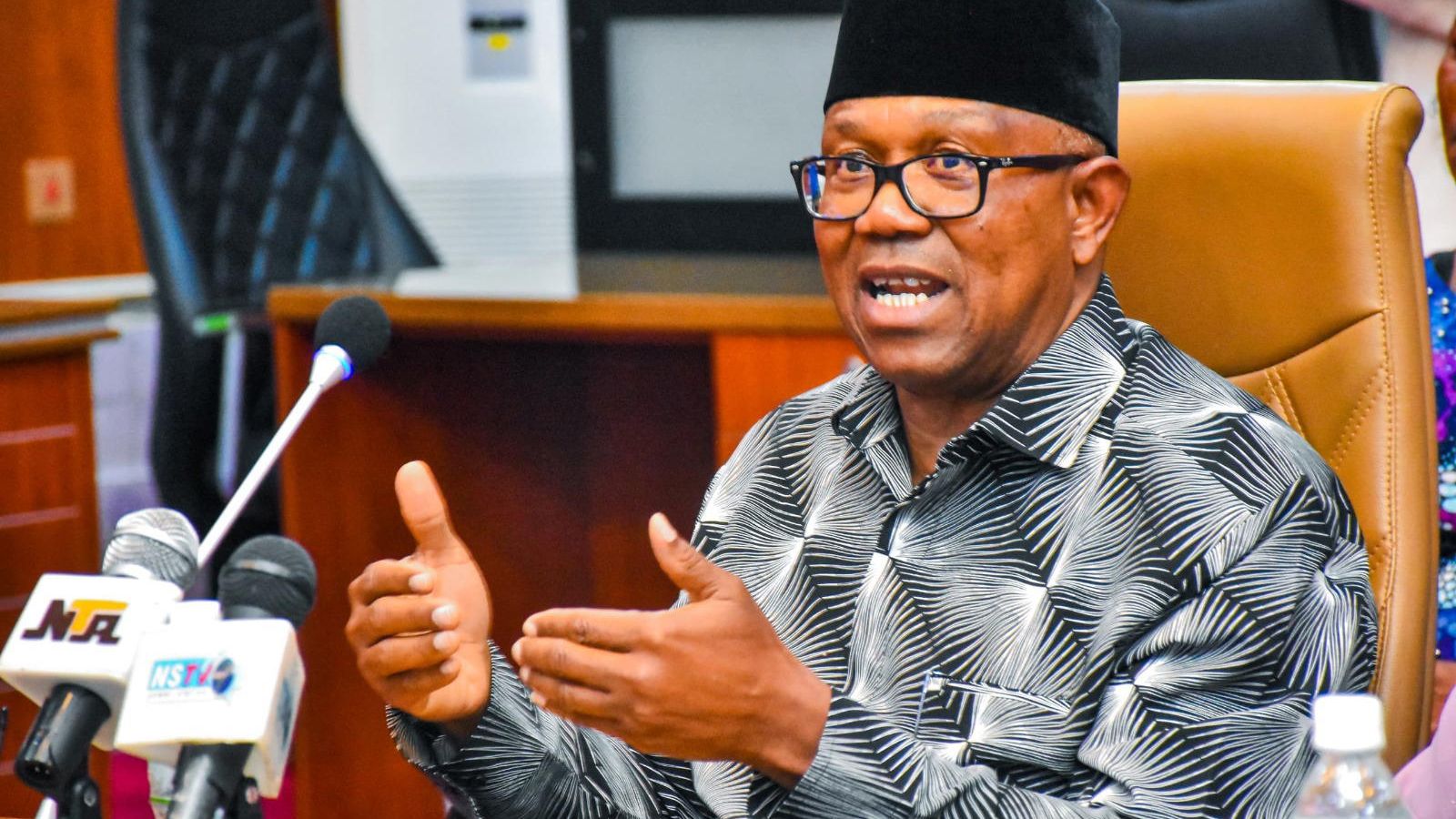
Peter Obi, the presidential hopeful of the Nigeria Democratic Congress (NDC), has publicly denied claims that he turned down a vice‑presidential slot offered by former Vice President Atiku Abubakar, the African Democratic Congress (ADC) standard‑bearer. The clarification came on Arise TV amid swirling rumors of a potential coalition among opposition parties ahead of the 2027 elections. For Obi, the stakes are personal and political: his candidacy hinges on whether he can forge a united front that can challenge the entrenched ruling parties without compromising his own platform.
During the interview, Obi was asked whether he would step aside for Atiku or accept a vice‑presidential position if an alliance materialised. He replied that the question had moved beyond individual candidates and was now a matter for the parties themselves. “I’m a candidate, yes. So, my leader, Atiku, is a candidate of another party. I am a candidate for another party. So, you are talking about two parties coming together; it is no longer him or me,” he said. Obi emphasized that any partnership would require negotiation between the parties, not just a tête‑to‑tête between the two men. He compared the situation to corporate mergers, where CEOs cannot decide alone; the entire board must agree.
In 2025, Obi, Atiku and other opposition figures formed a coalition under the ADC banner. The alliance aimed to consolidate anti‑incumbent sentiment and present a credible alternative to the ruling parties. However, internal disagreements fractured the coalition. Obi emerged as the NDC presidential candidate, while Atiku became the ADC standard‑bearer. This split set the stage for the current debate over whether the two leaders could reconcile their differences for the 2027 contest.
The two men share a complex past. Obi was Atiku’s running mate in the 2019 presidential election, a partnership that ended in defeat. In 2023, they contested the election on opposing platforms: Obi under the Labour Party (LP) and Atiku under the Peoples Democratic Party (PDP). Their divergent paths have fueled speculation that they might reunite under a common opposition umbrella. Obi’s denial of any prior refusal to accept a VP role suggests that the narrative of a personal slight may be exaggerated.
The debate reflects a larger trend in Nigerian politics: the erosion of single‑party dominance and the rise of coalition politics. Historically, opposition parties have struggled to present a united front, often splitting votes and allowing the ruling party to win by default. The 2025 ADC coalition was a bold attempt to break that pattern. Although it collapsed, the very fact that leaders like Obi and Atiku are discussing alliances indicates a growing recognition that unity is essential to challenge the status quo. This mirrors similar shifts in other African democracies, where fragmented opposition parties have recently begun forming coalitions to increase their electoral viability.
Given Obi’s insistence that negotiations must be party‑level, a full merger seems unlikely in the short term. However, a conditional alliancewhere the NDC and ADC agree to support each other’s presidential bids in exchange for shared policy platformscould materialise. Obi’s willingness to back any coalition that champions national unity, rule of law, and job creation suggests he is open to compromise, provided it aligns with his core principles. If such an arrangement is negotiated, it could reshape the 2027 electoral landscape by consolidating the opposition vote and presenting a credible alternative to the APC and PDP.
The next few months will be decisive. Party leaders will need to negotiate the terms of any partnership, balancing ideological differences with strategic necessities. Should a coalition form, it will likely be the most significant opposition realignment in Nigeria’s recent history.
In the coming weeks, watch for formal agreements between the NDC and ADC. If they succeed, Nigeria may witness its first major opposition coalition since the 1999 transition, potentially altering the trajectory of the 2027 elections and the country’s democratic future.